
Voices of Prois...Why Conservation Starts on Private Land
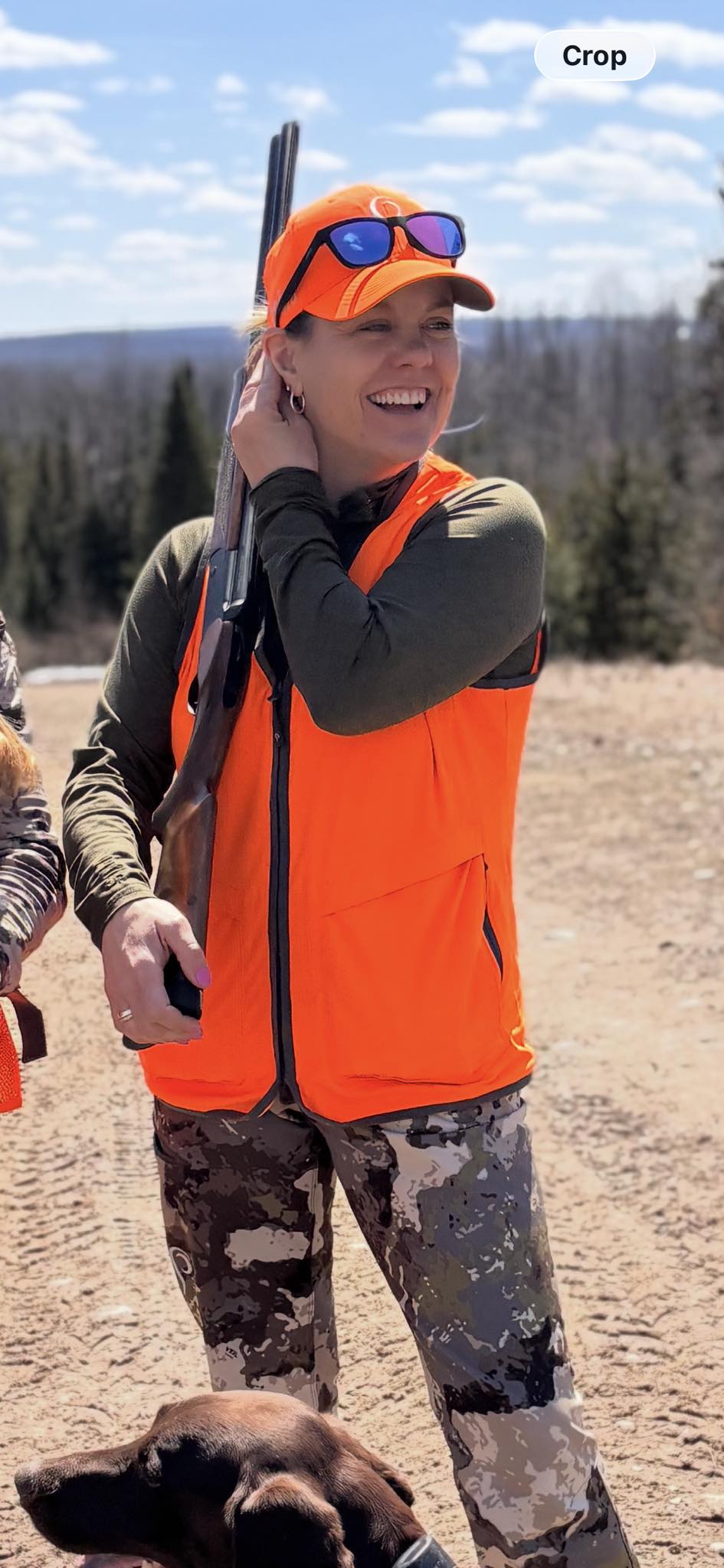
By: Prois Staffer and Michigan State Coordinator-Alison Adams
I woke up early on a chilly April morning, steaming cup of coffee in hand – one of the best parts of turkey season. I sat at the edge of my property where the field meets the woods. Two years ago, like clockwork, a group of turkeys would move through, filtering down from the hardwoods toward the ugly Scotch pines.

I call them ugly not just for how they look, but for what they are - a monoculture of non-native trees planted decades ago for harvest. Aside from some shade, they offer little in terms of food or shelter. The turkeys don’t stay – they pass through, moving from roost to field, just long enough for the toms to strut.
A year ago, an ice storm hit my area – along with much of northern Michigan. Trees snapped in half. Canopies collapsed. Some areas were without power for weeks, even months, as this largely rural area sat under heavy ice that crippled the power grid and crews had to rebuild from the ground up.
A year later, life has moved on – but the land hasn’t. What’s left behind is something we – and our wildlife- will be dealing with for generations.

Where I once watched 10, 12, even 20 turkeys move through, I’m not seeing them anymore. Downed canopies have blocked their routes, forcing them to find new paths of least resistance. I wasn’t entirely upset to see parts of my Scotch pine stands damaged – but the storm didn’t discriminate. Native species took the hit too. Native pines are part of northern Michigan’s identity, especially along the shores of the Great Lakes, where they’ve stood against the intense gales of our inland seas for decades. But many of those, along with the hardwoods like maple and beech, were lost – taking with them years of contribution to habitat, soil health, and water quality.
Nature will rebuild, it always does. People will too, though not without effort. As a landowner, conservationist, and hunter, it can feel overwhelming. But the good news is, you don’t have to overhaul everything. Start with one corner. One project. One season.
In Michigan, where so much wildlife habitat exists on private land, caring for the land affects all of us – especially hunters who rely on it. The quality of our hunt is directly tied habit health – and that’s something we can influence as we restore, replant and renew.
Whether you live in Michigan, or not, we’re all subject to the forces of nature. Caring for
wildlife – and the future of hunting – starts with the ground beneath your feet. Conservation doesn’t have to be complicated. It just has to begin. That’s where local conservation districts, alongside partners like the Natural Resources Conservation Service, come in – offering practical, hands-on support for landowners of all kinds, from small town lots to large acreage.

Conservation districts are local, non-regulatory resources - real people helping real landowners make meaningful improvements for wildlife, water, and habitat. You don’t need hundreds of acres to make a difference. Even a few acres can shape bedding, food, and movement. There are 3,000 conservation districts across the country with the guiding philosophy that decisions on conservation issues should be made at the local level, by the local people – districts stand ready to roll out programs that directly assist and impact the environmental quality of local communities. Reach out and get to know yours today. Because in the end, conservation isn’t just about land, it’s about legacy.
Alison Adams is the district manager for the Charlevoix (Shar-leh-voy) Conservation District, located between Michigan’s Cherry Capital of Traverse City and the famous Mackinaw Bridge, a 7-mile suspension bridge connecting Michigan’s upper and lower peninsulas.
